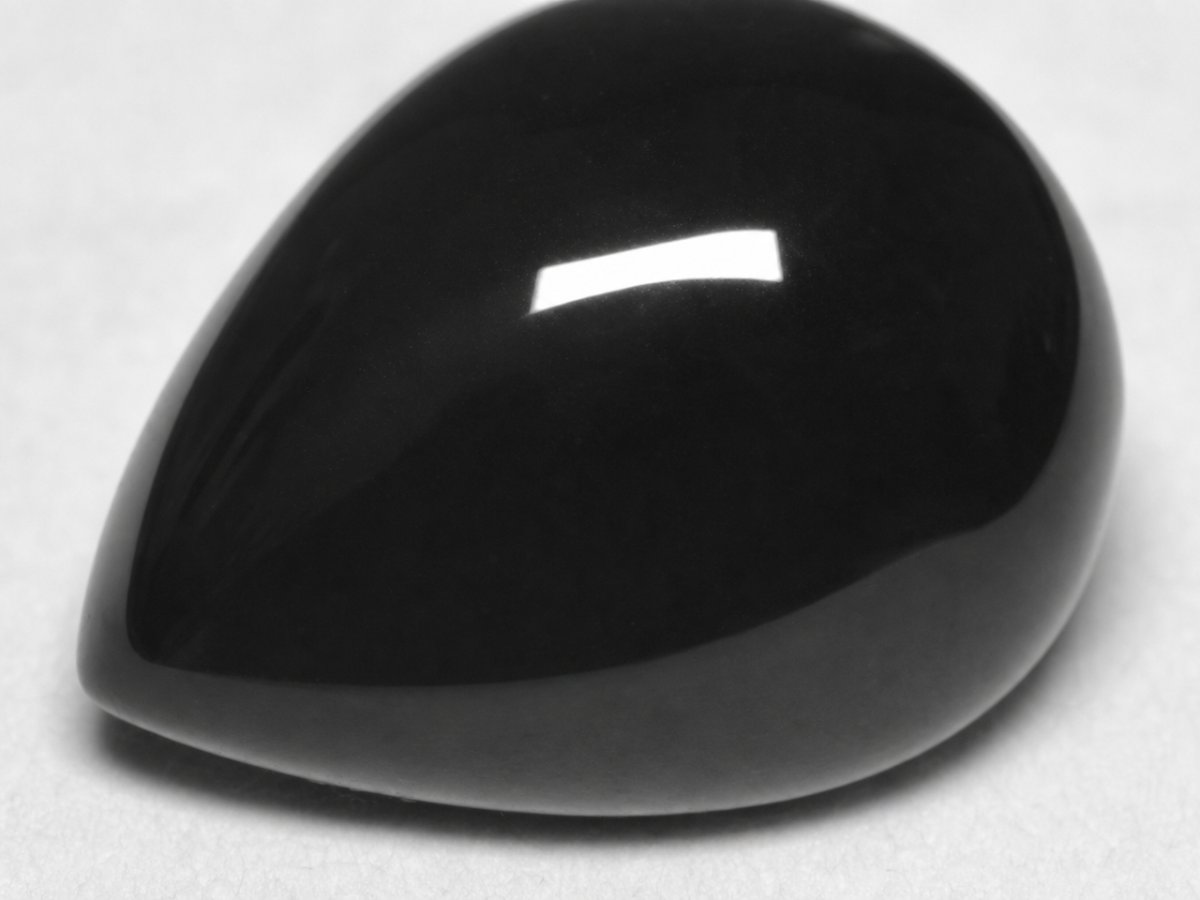


Onyx is a practical and versatile gemstone for buyers who want a strong visual look, especially in black jewelry designs. It is widely used in rings, cufflinks, pendants and other jewelry where a smooth, polished surface or bold contrast is desired. The most important buying decisions are color, cut quality, treatment disclosure, durability and whether the stone suits the intended jewelry design.
This guide explains what to look for when comparing onyx gemstones so you can choose a stone with confidence.
What is onyx?
Onyx is a variety associated with the chalcedony mineral family. Its chemical formula is SiO₂, and it belongs to the trigonal crystal system. For buyers, the most relevant point is that onyx is a quartz-based gemstone with enough hardness for many jewelry uses, provided it is worn and cared for sensibly.
Onyx is especially recognized in black, but it can also occur in brown, white, yellow, orange and red tones. In commercial jewelry, black onyx is the color most buyers encounter and is often chosen for its clean, graphic appearance.
Color and appearance: what should you look for?
Color is the first feature most buyers notice. Black onyx is the classic choice and is often selected for minimalist designs, men's jewelry, signet-style rings, cufflinks and pieces that need strong contrast with metal or other gemstones.
When comparing black onyx, look for an even, attractive face-up color and a polished surface that suits the design. In lighter or warmer colors such as brown, white, yellow, orange or red, compare stones in good lighting and choose the tone that best matches the setting or layout. Consistency can be especially important when buying pairs or calibrated stones for earrings, cufflinks or matched jewelry suites.
Cut, shape and finish
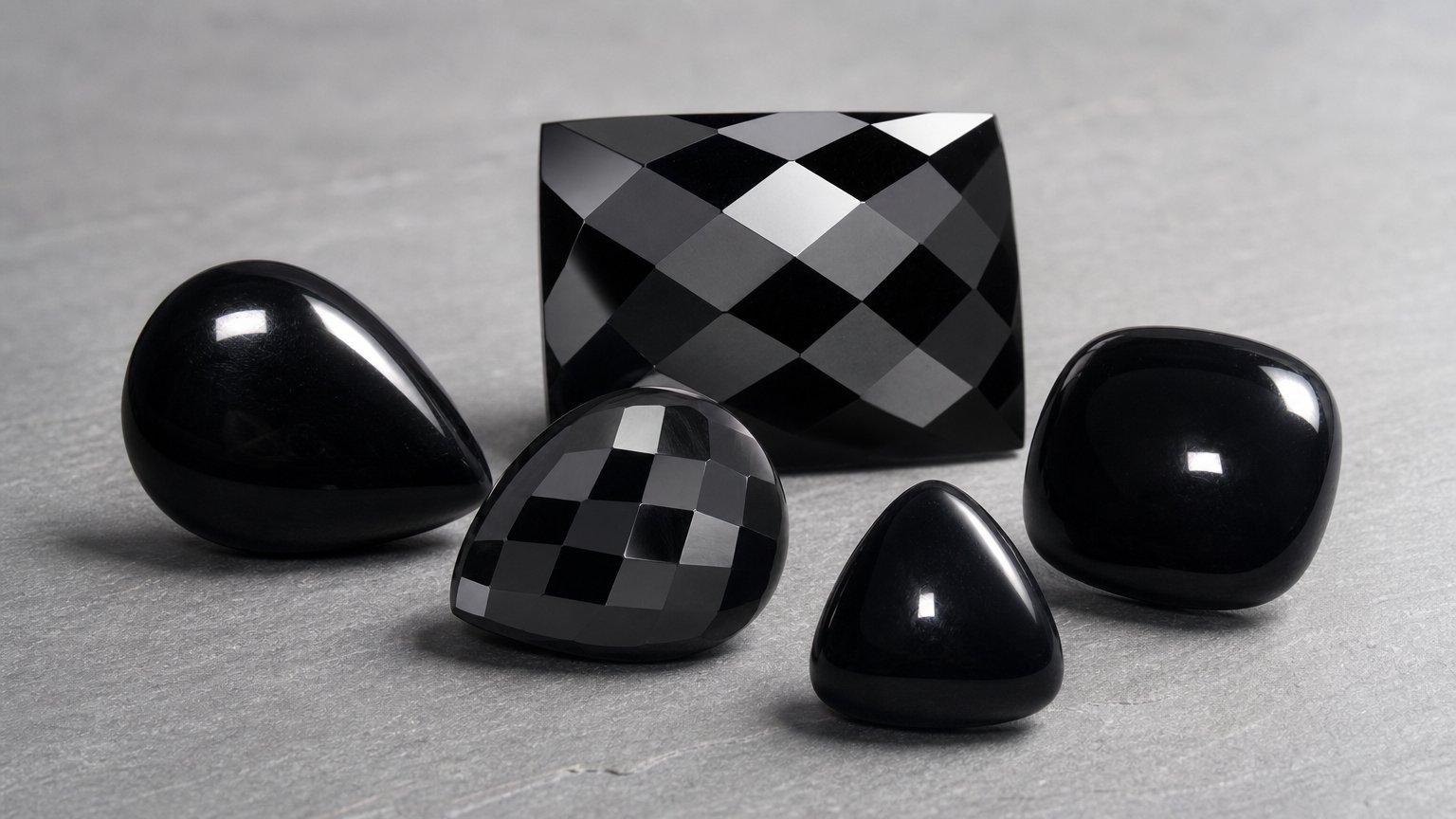
Cabochons are the most common cut style for onyx. A cabochon has a smooth, rounded top rather than facets, which works well for rings, pendants, brooches and cufflinks. When buying a cabochon, check that the dome is even, the outline is symmetrical and the polish is smooth.
Faceted onyx is also available and can create a sharper, more reflective look. Checkerboard cuts may be used when a designer wants extra surface pattern and light play. For faceted or checkerboard stones, examine the alignment of the facets and make sure the stone does not look uneven or poorly finished.
Common shapes include oval, round, cushion and pear. Freeform, heart and trillion shapes may be useful for more individual or artisan jewelry. For setting work, always check the exact measurements, not only the carat weight, because fit is critical for rings, cufflinks and custom mounts.
Treatments: dyed and untreated onyx
Treatment disclosure is one of the most important parts of buying onyx. Dyed onyx is common, while untreated onyx is also available. A dyed stone is not automatically a poor choice, but buyers should know what they are purchasing.
If treatment status matters to you, ask for clear disclosure before buying. This is especially relevant for black onyx, where buyers often want a very consistent appearance. At GemSelect, treatment information is provided with gemstones where applicable, helping buyers compare stones more clearly.
Durability and everyday wear
Onyx has a Mohs hardness of 6.5 to 7. This gives it useful durability for jewelry, but it should still be protected from hard knocks, rough wear and contact with harder gemstones or abrasive surfaces.
Rings receive more impact than pendants, earrings or brooches, so ring buyers should consider protective settings and avoid wearing onyx rings during heavy manual work. For cufflinks and pendants, onyx is generally a practical choice because these pieces usually experience less abrasion than rings.
Origins and whether origin affects buying
Onyx is associated with several origins, including Brazil, India, Pakistan, Sri Lanka, Madagascar and Uruguay. Brazil and India are especially important sources in the gemstone trade.
For most onyx purchases, appearance, cut, size, treatment disclosure and suitability for the jewelry design are more useful buying factors than origin alone. If a seller provides origin information, treat it as additional context rather than the only measure of quality.
Gemological properties at a glance
| Gemstone family | Chalcedony mineral |
| Chemical formula | SiO₂ |
| Crystal system | Trigonal |
| Mohs hardness | 6.5-7 |
| Refractive index | 1.530-1.540 |
| Specific gravity | 2.58-2.64 |
These properties are useful for gemological identification and for understanding how onyx performs in jewelry. Buyers do not need to memorize them, but hardness is particularly relevant when deciding how and where the stone will be worn.
Best jewelry uses for onyx
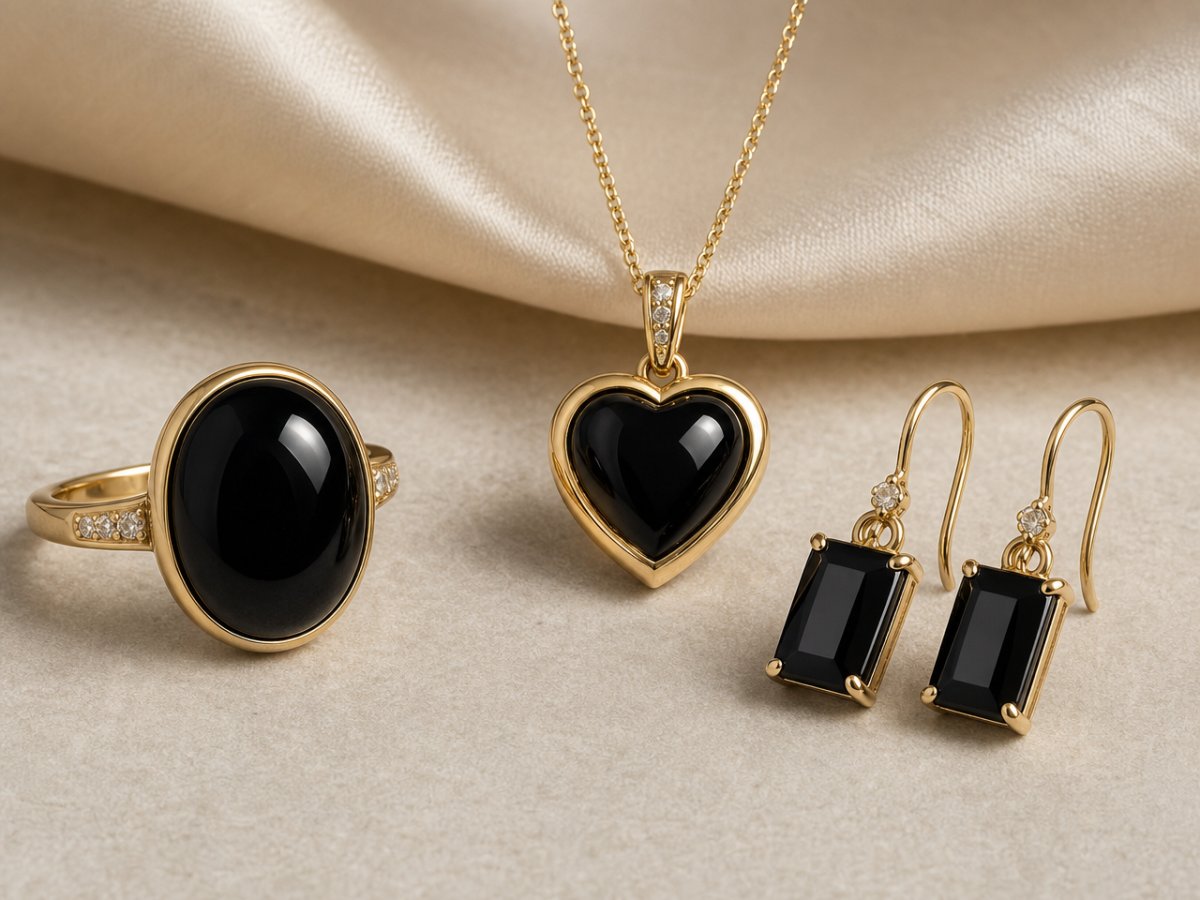
Onyx is well suited to rings, cufflinks and pendants, where its strong color and polished surface can become the focus of the design. It is also used in earrings, necklaces, brooches and artisan jewelry.
For rings, prioritize a secure setting and a smooth polish. For cufflinks, matching color, shape and size is important. For pendants and necklaces, larger stones or distinctive shapes can be effective because these pieces are less exposed to daily impact.
Practical onyx buying checklist
- Choose the color first: black is the classic option, while brown, white, yellow, orange and red tones offer different design possibilities.
- Check treatment disclosure: dyed onyx is common, and untreated stones are also available.
- Inspect the polish: cabochons should have a smooth surface and even dome.
- Match stones carefully: pairs for earrings or cufflinks should be similar in color, shape and dimensions.
- Consider the jewelry use: rings need more protection than pendants, brooches or earrings.
- Buy by measurements when setting: carat weight alone does not guarantee a proper fit.
Summary
A good onyx purchase depends on clear color, attractive cutting, suitable shape, proper treatment disclosure and the right choice for the intended jewelry. Black onyx remains the most popular option, but other colors can be appealing for buyers seeking a different look. With its 6.5 to 7 Mohs hardness and broad jewelry use, onyx is a dependable gemstone when selected carefully and worn with reasonable care.